
What Are the Retina & Vitreous?
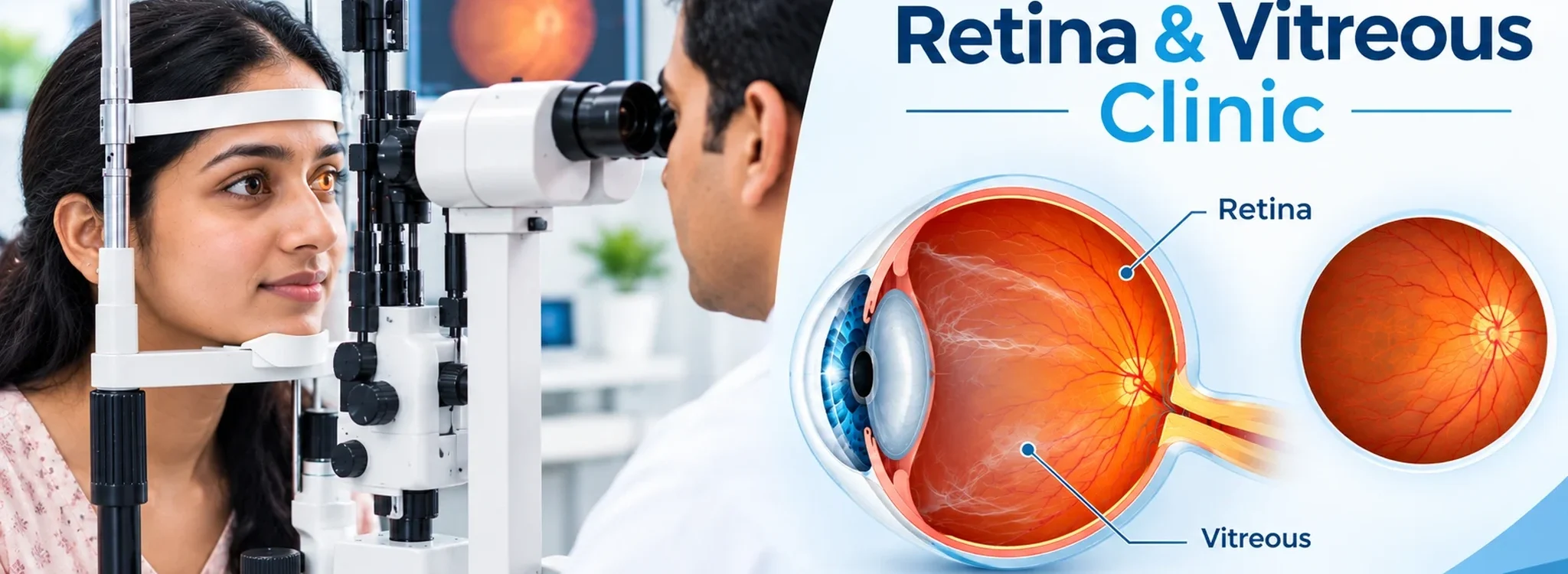
The retina and vitreous are important structures inside the eye that play a major role in normal vision.

The Retina
The retina is a thin, light-sensitive layer located at the back of the eye. It receives light entering the eye and converts that light into electrical signals. These signals travel through the optic nerve to the brain, where they are interpreted as the images we see.

The Vitreous
The vitreous is a clear, gel-like substance that fills much of the inside of the eye between the lens and retina. It contributes to the shape of the eye and has an important relationship with the retina, particularly as natural age-related changes occur.
Protecting Your Vision Starts With Awareness
Some retinal conditions develop gradually, while others can cause sudden visual symptoms.
Healthy retinal tissue is essential for clear and useful vision. Because the retina is located at the back of the eye, many retinal conditions cannot be identified simply by looking at the eye from the outside. A detailed retinal examination and appropriate imaging can help an eye specialist identify changes that may otherwise go unnoticed.
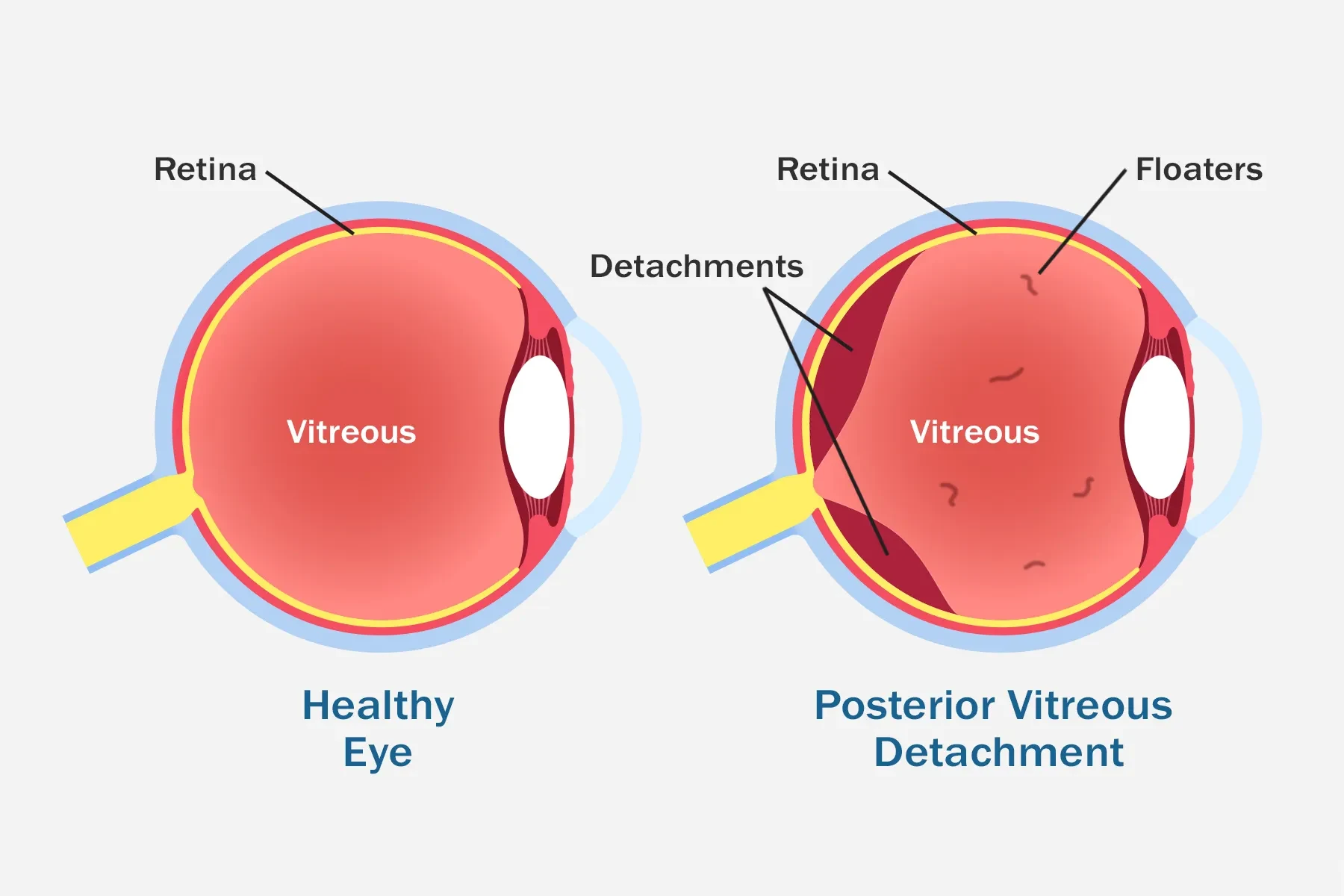
The vitreous also changes naturally with age. It can become more liquid and may separate from the retinal surface. This process is known as posterior vitreous detachment, or PVD. PVD is common and is often not dangerous, but in some people the changing vitreous can pull on the retina.
If significant traction occurs, a retinal tear may develop. In some cases, an untreated retinal tear can progress to retinal detachment. This is one reason sudden flashes, sudden increases in floaters or a curtain-like shadow across the field of vision should receive prompt professional assessment.
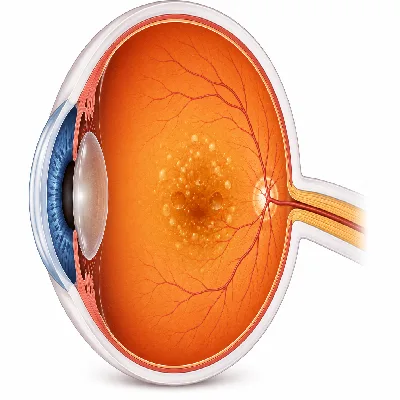
Retina care also plays an important role in managing conditions associated with diabetes, age-related macular changes, retinal blood vessel problems and other diseases that can affect central or peripheral vision.
Retina & Vitreous Conditions
Retina specialists evaluate a wide range of medical, vascular, macular and vitreoretinal conditions.




Common Symptoms of Retinal Problems
Changes in vision should not always be ignored, especially when they occur suddenly.

Floaters
Small dots, lines, threads or cobweb-like shapes that appear to move across your vision can occur with changes in the vitreous.

Flashes of Light
Brief flashes or streaks of light, particularly toward the peripheral vision, can occur when the vitreous pulls on the retina.

Blurred Vision
Retinal or macular conditions can affect the sharpness and clarity of central or overall vision.

Distorted Vision
Straight lines may appear bent, wavy or distorted when the macula is affected.

Dark Curtain or Shadow
A curtain-like shadow or dark area moving across vision can be a warning sign requiring urgent retinal assessment.

Sudden Vision Loss
Sudden unexplained reduction or loss of vision should receive prompt professional evaluation.

Important Retina Warning
Sudden flashes, a sudden increase in floaters, a curtain-like shadow over your vision or sudden unexplained vision loss can be warning signs of retinal problems. Prompt eye-care assessment is important in these situations.
Why Regular Retina Care Matters
Appropriate evaluation and follow-up can help identify retinal changes and guide timely management.
Early Detection
Helps identify certain retinal changes before significant visual symptoms develop.
Vision Preservation
Timely management may help protect remaining useful vision in appropriate conditions.
Better Monitoring
Follow-up examinations can help monitor changes over time.

Timely Treatment
Appropriate diagnosis helps determine whether observation, medication, laser or surgery may be suitable.
Personalized Care
Treatment planning depends on the individual's condition, symptoms and examination findings.
How Are Retina Problems Diagnosed?
A detailed retinal examination helps the ophthalmologist understand the cause of visual symptoms and determine whether monitoring, medical treatment, laser treatment or surgery may be appropriate.

Dilated Eye Examination
Dilating the pupil allows the retina and optic nerve to be examined more clearly.

OCT Scan
Optical coherence tomography creates detailed cross-sectional images of the retina and macula.

Fundus Photography
Retinal photographs can document retinal appearance and help monitor changes.

OCT Angiography
This imaging technique can provide information about retinal and choroidal blood vessels.
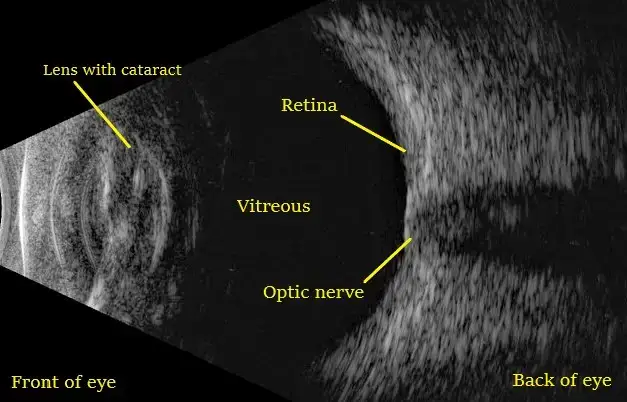
B-Scan Ultrasound
Ultrasound may be useful when the retina cannot be clearly visualized through the usual examination.
Retina & Vitreous Treatment Options
Treatment depends on the specific retinal condition, its severity and the findings of the eye examination.

Intravitreal Injections
Certain retinal diseases involving abnormal blood vessels or retinal swelling may be treated using medication delivered into the vitreous cavity. The type and frequency of treatment depend on the individual condition.

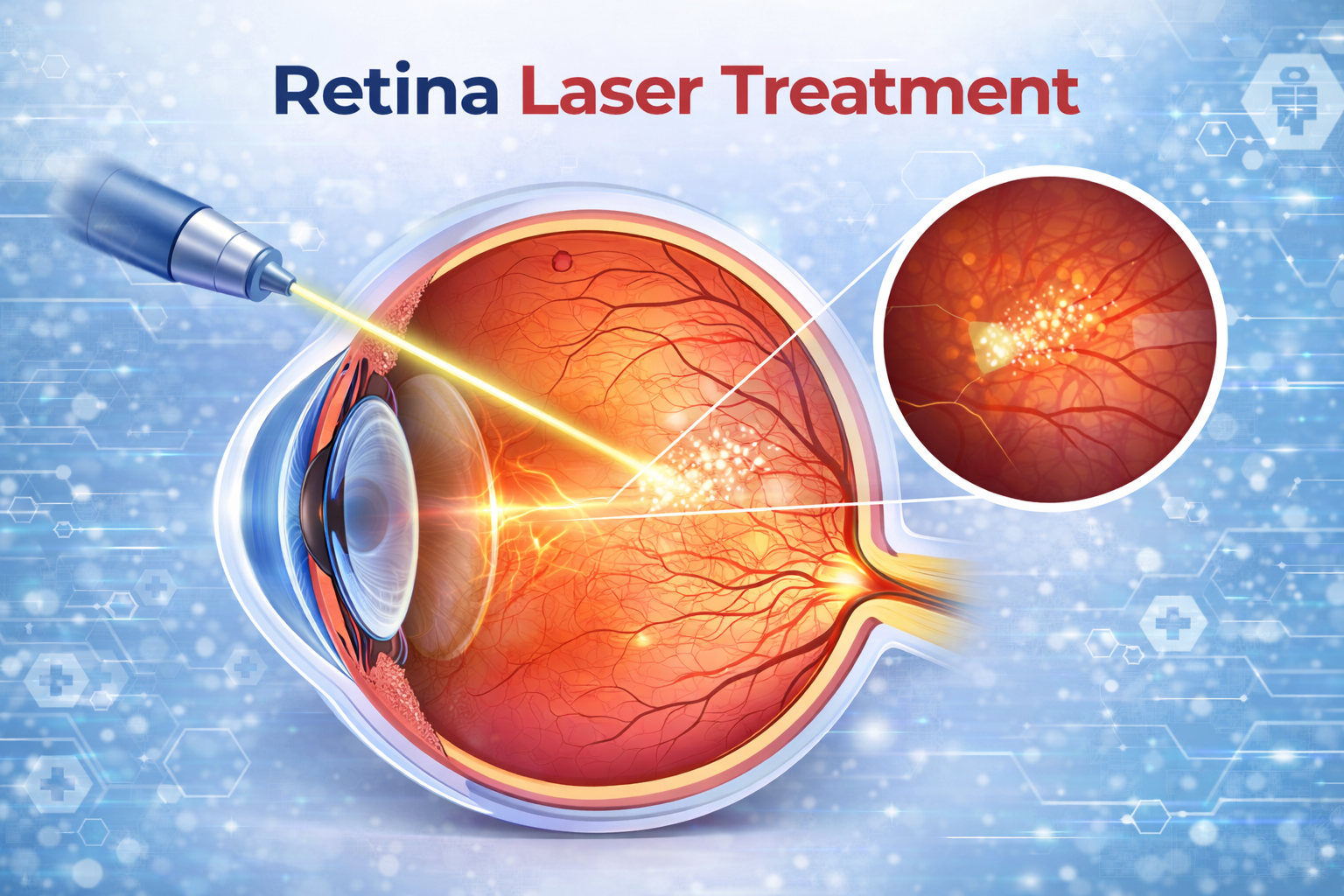
Laser Treatment
Laser therapy may be recommended for selected retinal tears and certain retinal vascular or diabetic retinal conditions. The purpose depends on the underlying retinal problem.

Vitrectomy Surgery
Vitrectomy is a vitreoretinal procedure in which the vitreous gel is removed to allow treatment of selected retinal and vitreous conditions.

Retinal Detachment Surgery
Depending on the retinal condition, treatment may include laser, cryotherapy, pneumatic retinopexy, scleral buckle, vitrectomy or combinations of these approaches.
Are There Any Risks?
Retina treatment can be helpful when appropriately recommended, but every medical procedure has potential risks. The specific risks depend on the condition being treated, the treatment chosen and individual factors.
 Temporary discomfort, redness or irritation
 Treatment-specific laser risks
 Infection or inflammation after surgery
 Possible bleeding or increased eye pressure
 Repeated treatment may sometimes be required
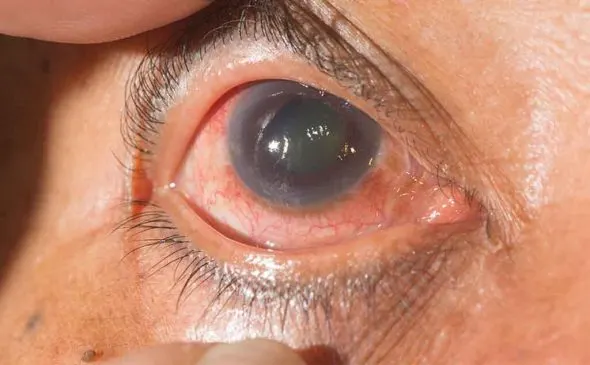 Treatment may not restore permanently lost vision
Who May Need Regular Retina Check-Ups?
The recommended frequency of retinal examinations varies according to age, health history and individual risk factors.
 Diabetes
 High Blood Pressure
High Myopia
 Previous Retinal Problems
 Family History
 Previous Eye Injury
Frequently Asked Questions
Answers to common questions about retina and vitreous care.
Don't Ignore Sudden Changes in Vision
If you experience sudden floaters, flashes, a curtain-like shadow or unexplained vision loss, seek prompt eye-care evaluation. A timely examination can help identify whether the retina requires urgent attention.