


What Is Glaucoma?
Glaucoma is a group of eye diseases that can damage the optic nerve, the part of the eye that carries visual information to the brain. One important risk factor is increased intraocular pressure (IOP), which can occur when the fluid inside the eye does not drain properly. However, glaucoma can also develop in people whose eye pressure falls within a typical range.
The most common form is open-angle glaucoma. It usually progresses slowly and may not cause pain or obvious vision changes in its early stages. As damage progresses, a person may gradually lose peripheral or side vision.
Another form is angle-closure glaucoma, which can cause a rapid increase in eye pressure. An acute attack may cause severe eye pain, blurred vision, headache, nausea, vomiting, redness, and halos around lights. This is an eye emergency and requires immediate medical attention.
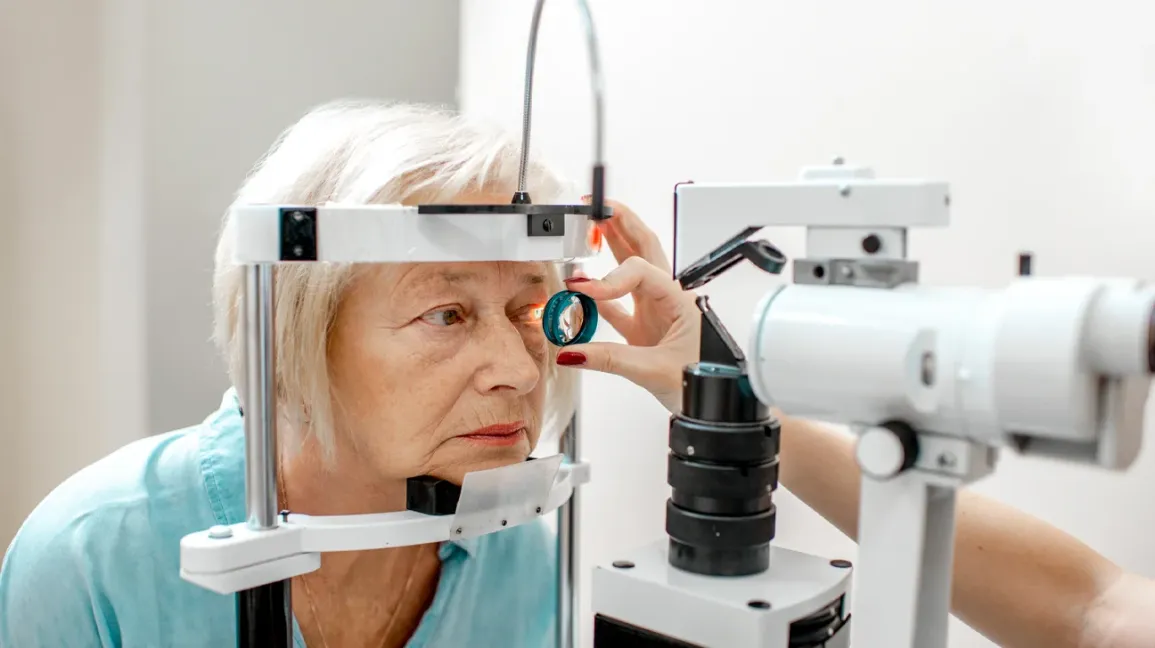
How Is Glaucoma Diagnosed?
Common Glaucoma Tests
- Eye Pressure Measurement:
Intraocular pressure is measured to determine whether pressure inside the eye is elevated. - Optic Nerve Examination:
The ophthalmologist examines the optic nerve for signs of damage. - Visual Field Test:
This checks peripheral vision and can identify areas of reduced sensitivity that may be associated with glaucoma. - Optic Nerve Imaging:
Special imaging or photographs can document the appearance of the optic nerve and help monitor changes over time. - Corneal Thickness Measurement:
The thickness of the cornea can provide important information when interpreting eye-pressure measurements. - Drainage Angle Examination:
The doctor may examine the drainage angle to determine whether the angle is open or narrow/closed.
Glaucoma Surgeries
When glaucoma remains inadequately controlled despite medication and/or laser treatment, surgery may be recommended. Glaucoma surgery does not reverse existing optic-nerve damage, but it can help lower eye pressure and protect against further damage.
Minimally Invasive Glaucoma Surgery (MIGS)
MIGS, or minimally invasive glaucoma surgery, includes a group of procedures designed to lower eye pressure using small surgical approaches.
MIGS may be considered for selected patients, particularly those with mild to moderate open-angle glaucoma. Some MIGS procedures can also be combined with cataract surgery when both conditions need treatment.
The exact procedure depends on the patient's glaucoma, eye anatomy, treatment goals, and the surgeon's assessment.
Trabeculectomy
Trabeculectomy is a traditional glaucoma surgery used to create a new pathway for fluid to leave the eye.
During the procedure, the surgeon creates a small opening in the white part of the eye. This allows excess fluid to drain into a small reservoir beneath the conjunctiva, helping reduce intraocular pressure.
Trabeculectomy may be considered when significant pressure reduction is needed or when other treatment approaches have not provided adequate control.
Trabeculectomy may be considered when significant pressure reduction is needed or when other treatment approaches have not provided adequate control.
Glaucoma Drainage Implant Surgery
A glaucoma drainage implant, sometimes called a tube shunt, uses a small tube and reservoir to help drain excess fluid from the eye.
This type of surgery may be used for several forms of glaucoma, including some complex or difficult-to- control cases.
The surgeon determines whether a drainage implant is appropriate based on the patient's glaucoma type, previous surgeries, eye health, and target pressure.
Frequently Asked Questions About Glaucoma
Find answers to common questions about glaucoma, its treatment, surgery, and long-term vision care.
Glaucoma-related optic-nerve damage is generally permanent. Treatment is aimed at lowering eye pressure and preventing or slowing further damage.
Yes. Many patients can be managed with prescription eye drops and/or laser treatment. Surgery may be considered when pressure remains inadequately controlled or when the ophthalmologist believes a surgical approach is appropriate.
Glaucoma surgery is performed with anesthesia to reduce discomfort during the procedure. Some soreness, irritation, swelling, or discomfort can occur during recovery. Your surgeon will provide postoperative instructions and medication as needed.
Untreated or inadequately controlled glaucoma can cause severe vision loss and blindness. However, early diagnosis and appropriate treatment can help protect vision and reduce the risk of serious progression.
No. Some people have elevated eye pressure without detectable optic-nerve damage, a condition often called ocular hypertension. Conversely, glaucoma can sometimes occur even when eye pressure is within a typical range.
The frequency depends on your age, risk factors, glaucoma status, and treatment. People who already have glaucoma usually require regular follow-up, with the interval determined by their ophthalmologist.
Glaucoma surgery is intended to lower eye pressure and protect the remaining optic-nerve function. It generally cannot restore vision that has already been permanently lost due to glaucoma.
In selected patients, cataract surgery can be combined with glaucoma treatment. For some people with narrow angles, removing the natural lens can create more space for fluid drainage. Cataract surgery may also be combined with MIGS in selected patients with open-angle glaucoma.