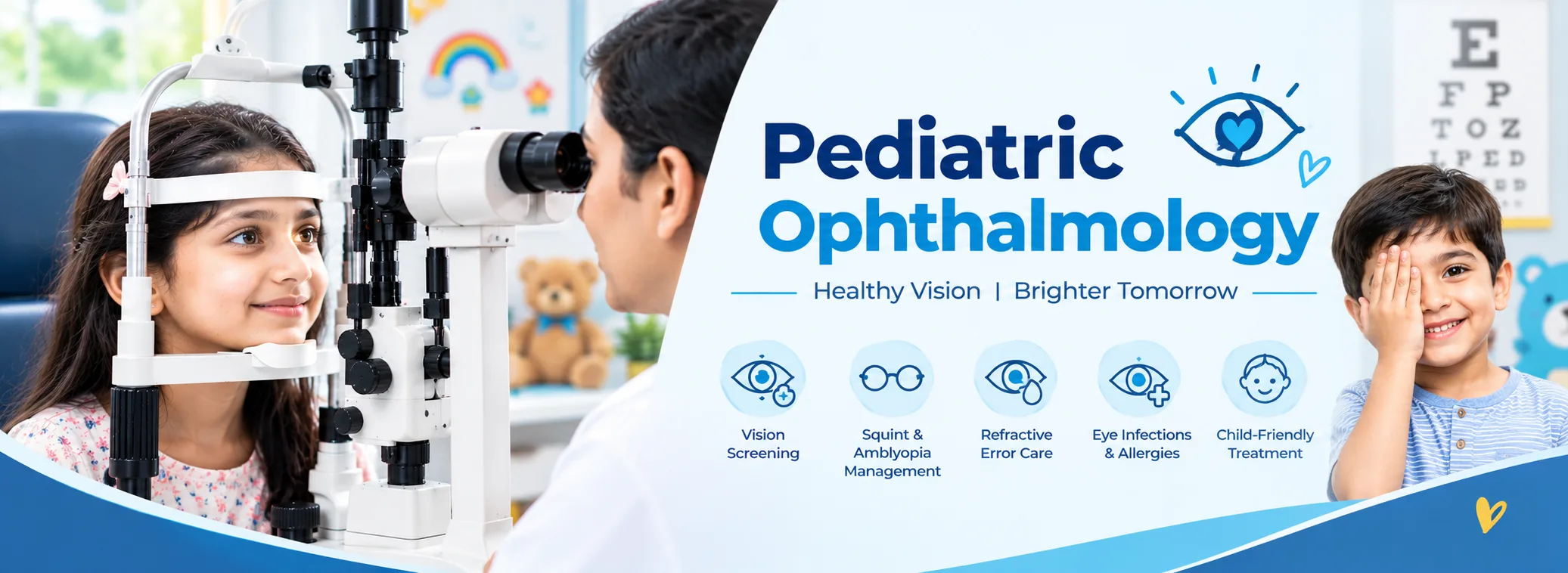
Healthy Eyes. Healthy Vision Development.
Children's eyes and visual systems are still developing, which is why eye problems can sometimes affect more than just how clearly a child sees. Early identification of vision problems can help provide appropriate treatment during the important years of visual development.

Why Children's Eye Care Is Different
Children may not always realize that their vision is different from other children's vision. They may adapt to blurred vision in one eye or simply avoid activities that are difficult to see. A pediatric eye examination uses age-appropriate methods to assess vision, eye alignment, focusing and overall eye health.

Supporting Vision From Early Childhood
Pediatric ophthalmology focuses on detecting and managing conditions such as refractive errors, amblyopia, strabismus, pediatric cataract and other childhood eye disorders. Treatment may include glasses, eye patches, eye drops, medicines or surgery depending on the condition.
Why Pediatric Ophthalmology?
A pediatric ophthalmologist is trained to evaluate children's eyes using examination methods appropriate for different ages and developmental stages.

Child-Friendly Examination
Eye testing can be adapted according to a child's age, communication ability and cooperation level.

Early Detection
Screening and complete examinations can identify vision problems that may not be obvious to parents.

Growing Eyes
Children's eyes change as they grow, so treatment and follow-up are planned around the child's individual visual development.
Common Pediatric Eye Problems
Some childhood eye conditions are easy to notice, while others can remain hidden unless each eye is examined separately.

Amblyopia — Lazy Eye
Amblyopia occurs when normal vision does not develop properly in one or both eyes during childhood. It can be associated with significant refractive error, eye misalignment or conditions that prevent a clear image from reaching the eye.

Strabismus — Squint
Strabismus occurs when the eyes are not aligned in the same direction. One eye may turn inward, outward, upward or downward. Evaluation helps determine the type and appropriate management.

Refractive Errors
Myopia, hyperopia and astigmatism can make vision blurred. Children may need glasses even when they do not complain about poor eyesight.

Pediatric Cataract
A cataract is clouding of the eye's natural lens. When visually significant in childhood, timely assessment and treatment are important for visual development.

Droopy Eyelid — Ptosis
A droopy upper eyelid may affect appearance and, in some children, may interfere with vision. Evaluation helps determine whether monitoring or treatment is needed.

Childhood Eye Infections
Redness, discharge, watering and irritation can have several causes. Persistent or severe symptoms should be evaluated by an eye-care professional.

Why Early Treatment Matters
Amblyopia develops when the brain does not receive or use a clear visual image from one or both eyes during childhood. A child may not complain because the stronger eye can compensate for the weaker eye.
Amblyopia can be associated with unequal prescriptions, significant refractive errors, strabismus or reduced visual input caused by conditions such as cataract or significant ptosis.
Understanding Strabismus
Strabismus, commonly called squint or crossed eyes, occurs when the eyes are not properly aligned. It can appear continuously or only at certain times.

What Parents May Notice
Parents may notice an eye turning in, out, up or down, frequent head tilting, closing one eye in bright light or difficulty using both eyes together. Some children may have subtle misalignment that is not obvious.
Individualized Management
Management depends on the type and cause of misalignment. Depending on the child, treatment may involve glasses, patching, eye drops, prisms, observation or surgery.
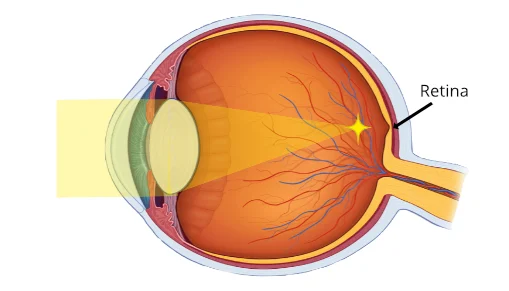
Refractive Errors in Children
A child can have a refractive error without clearly describing blurred vision. A comprehensive eye examination can determine whether glasses are required.
Myopia
Distant objects may appear blurry while nearby objects are usually clearer.
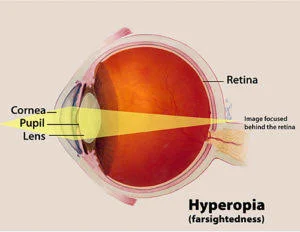
Hyperopia
The eye has less focusing power than required, and near vision may be affected when the hyperopia is significant.
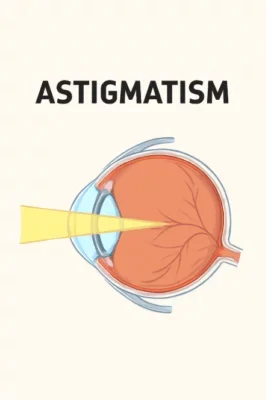
Astigmatism
Uneven curvature of the cornea or lens can cause blurred or distorted vision at different distances.
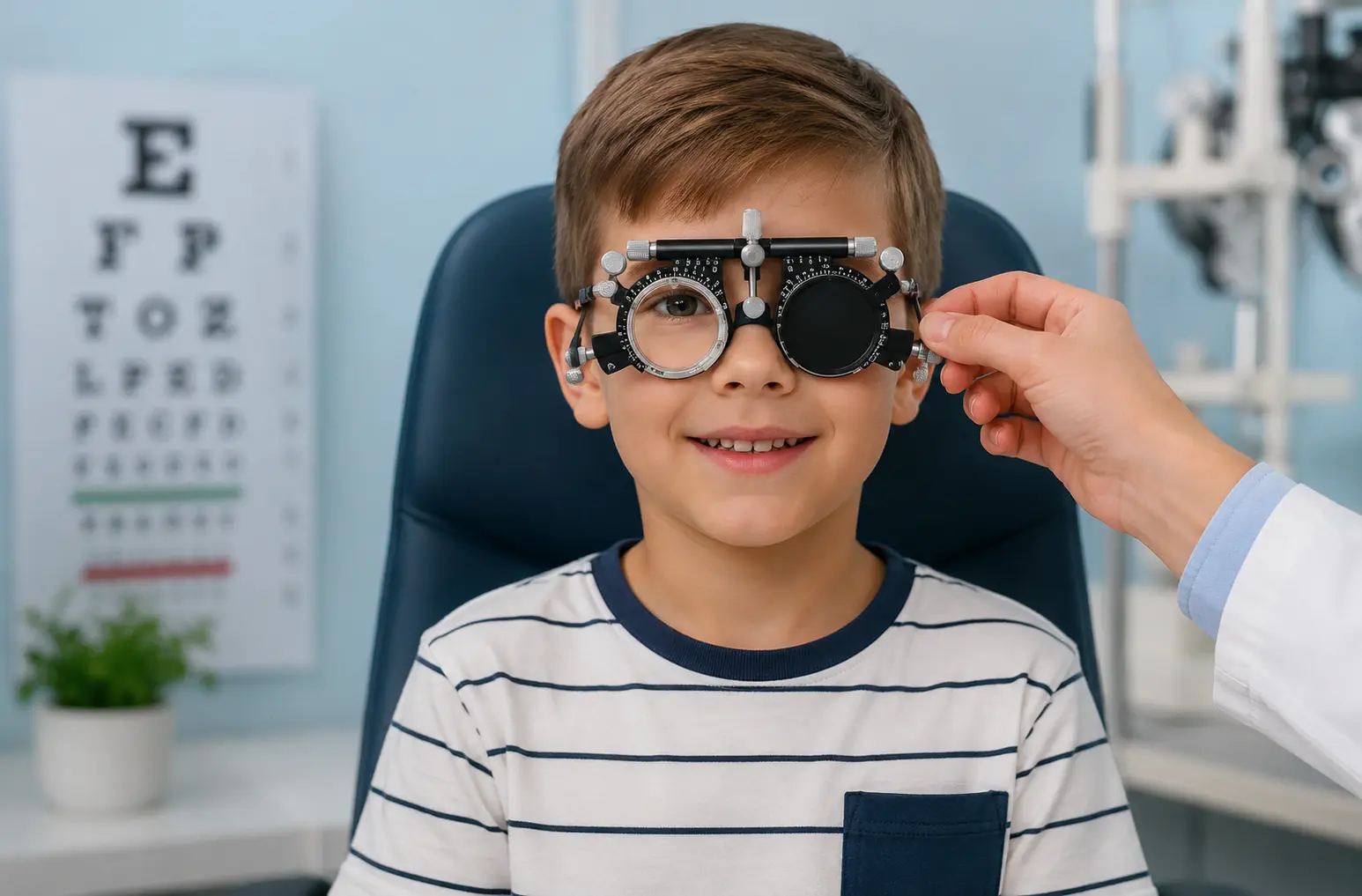
Unequal Prescription
A significant difference between the prescriptions of the two eyes can increase the risk of amblyopia.
Does Your Child Need an Eye Check?
Children do not always complain about vision problems. Certain behaviors can indicate that an eye examination may be helpful.

What Happens During a Child's Eye Exam?
The examination is adapted according to the child's age and ability to participate. The goal is to assess visual function, eye alignment, focusing and overall eye health.
Medical & Eye History
The doctor discusses the child's symptoms, development, family history and previous eye concerns.
Vision Assessment
Vision is measured using methods suitable for the child's age and communication ability.
Eye Alignment & Movement
Eye movements and alignment are assessed to identify strabismus and other concerns.
Refraction
Eye drops may be used when needed to relax focusing and obtain an accurate measurement of the child's prescription.
Eye Health Examination
The doctor examines the front and internal structures of the eyes when clinically indicated.
Pediatric Eye Treatment Options
Treatment depends on the child's diagnosis, age, visual development and individual eye-health needs.

Prescription Glasses
Glasses may be prescribed to provide clear vision, correct refractive errors and support normal visual development when appropriate.

Eye Drops
Certain eye conditions may require prescription drops. Eye drops may also be used during examinations to temporarily relax the child's focusing system.
Patching
In selected children with amblyopia, patching the stronger eye may be recommended so that the weaker eye is encouraged to develop better visual function.
Pediatric Eye Surgery
Some childhood eye conditions may require surgery. The decision depends on the diagnosis, severity, age and response to other treatment.
Monitoring & Follow-Up
Some children may need regular monitoring rather than immediate treatment. Follow-up helps track changes in vision and eye development.
Parent Guidance
Parents play an important role in helping children follow their prescribed glasses, patching schedule, medication and follow-up plan.
Eye Screening Throughout Childhood
Screening methods change as children grow. If screening suggests a possible problem, a more complete eye examination may be recommended.
Newborn – 12 Months
Assessment may include eye history, eye appearance, eye movements, pupils and red-reflex examination.
1 – 3 Years
Vision and eye alignment can be assessed using age-appropriate methods, including instrument-based screening where available.
3 – 5 Years
Children may be able to participate in visual acuity testing using pictures, symbols or other age-appropriate charts.
5+ Years
Vision testing can usually become more detailed, with additional assessment when screening identifies a concern.
Helping Your Child Maintain Healthy Vision
Parents and caregivers can help by observing changes in vision and making sure recommended examinations and treatments are followed.
Pay Attention to Changes
Notice if your child starts squinting, tilting the head, closing one eye or moving unusually close to books and screens.
Follow Glasses Advice
If glasses are prescribed, follow the eye doctor's instructions regarding when and how they should be worn.
Keep Follow-Up Appointments
Regular follow-up can be important for monitoring visual development and checking whether treatment needs to be adjusted.
Take Symptoms Seriously
Sudden vision changes, significant eye pain, injury or unusual eye appearance should receive prompt professional assessment.

When Should Parents Seek Prompt Eye Care?
Seek prompt medical attention for sudden loss or significant change in vision, severe eye pain, serious eye injury, marked redness with concerning symptoms, or an unusual appearance of the eye. A child's eye symptoms should be assessed by a qualified eye-care professional when there is concern.
Pediatric Ophthalmology FAQs
Give Your Child a Clearer View of the World
If you have noticed changes in your child's vision, eye alignment or visual behaviour, a pediatric eye examination can help identify the cause and guide the next step in care.