

The Cornea & Clear Vision
The cornea is the transparent front surface of the eye and plays an important role in focusing incoming light.

Healthy Cornea
A clear and appropriately shaped cornea helps light enter the eye and contributes significantly to the eye's focusing ability.

When Corneal Shape Changes
Changes in corneal curvature, thickness, transparency or surface quality can affect visual clarity and comfort.
Why Vision May Become Blurred
Myopia, hyperopia, astigmatism and presbyopia can affect how clearly objects are seen at different distances.

Myopia
Distant objects may appear blurred while nearby objects may remain clearer.

Hyperopia
Close objects may be more difficult to focus on clearly.

Astigmatism
Irregular curvature can cause blurred, stretched or distorted vision.

Presbyopia
Age-related focusing changes can make reading and near vision more difficult.
Conditions We Evaluate
A detailed corneal examination can help identify structural, inflammatory, infectious and surface-related problems affecting vision.
Keratoconus
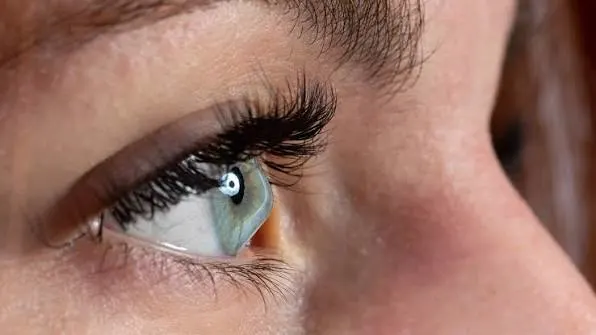
Keratoconus can cause progressive changes in corneal shape and may result in irregular astigmatism and distorted vision.

Corneal Infection
Corneal infections may cause pain, redness, watering, light sensitivity and reduced vision.

Corneal Scarring
Previous injury, infection or inflammation can sometimes leave corneal scarring that affects visual quality.

Irregular Astigmatism
Irregular corneal curvature can make vision difficult to correct with standard lenses.

Corneal Dystrophies
Certain inherited corneal disorders can affect the clarity or structure of the cornea.

Ocular Surface Problems
Tear-film instability and ocular-surface problems can affect the quality of vision.
Common Corneal Symptoms
Persistent or changing symptoms should be evaluated rather than being treated as a simple change in glasses.
LASIK, PRK & SMILE
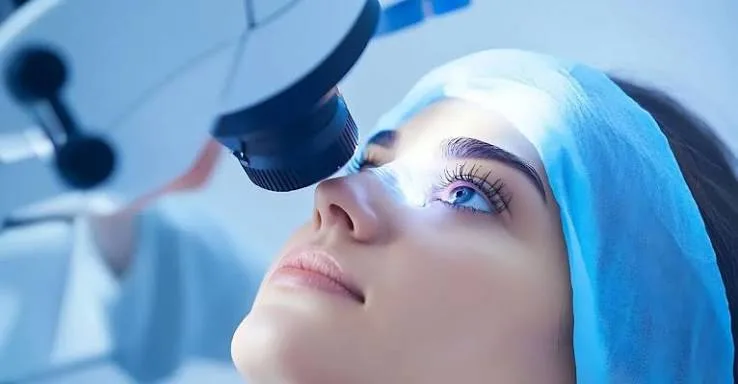
Different refractive procedures use different approaches to modify the cornea and may reduce dependence on glasses or contact lenses in selected patients.
LASIK
LASIK uses a corneal flap followed by laser reshaping of underlying corneal tissue. Detailed screening is required before considering the procedure.

PRK
PRK is a surface-based laser vision-correction procedure in which the outer corneal layer is removed or displaced before laser treatment.

SMILE
SMILE creates a refractive lenticule inside the cornea that is removed through a small incision as part of the vision-correction procedure.

How Is Corneal Health Evaluated?
A complete corneal evaluation may include several examinations and imaging tests depending on symptoms, clinical findings and the reason for consultation.
Slit-Lamp Examination
Magnified examination of the cornea and front structures of the eye.
Corneal Topography
Maps the curvature and shape of the cornea.
Corneal Tomography
Provides detailed information about corneal shape and thickness.
Pachymetry
Measures corneal thickness during clinical assessment.
Refraction
Determines the optical correction required for clearer vision.
Corneal Cross-Linking
Corneal collagen cross-linking may be considered for selected patients with progressive keratoconus or certain forms of corneal weakening.
Corneal Assessment
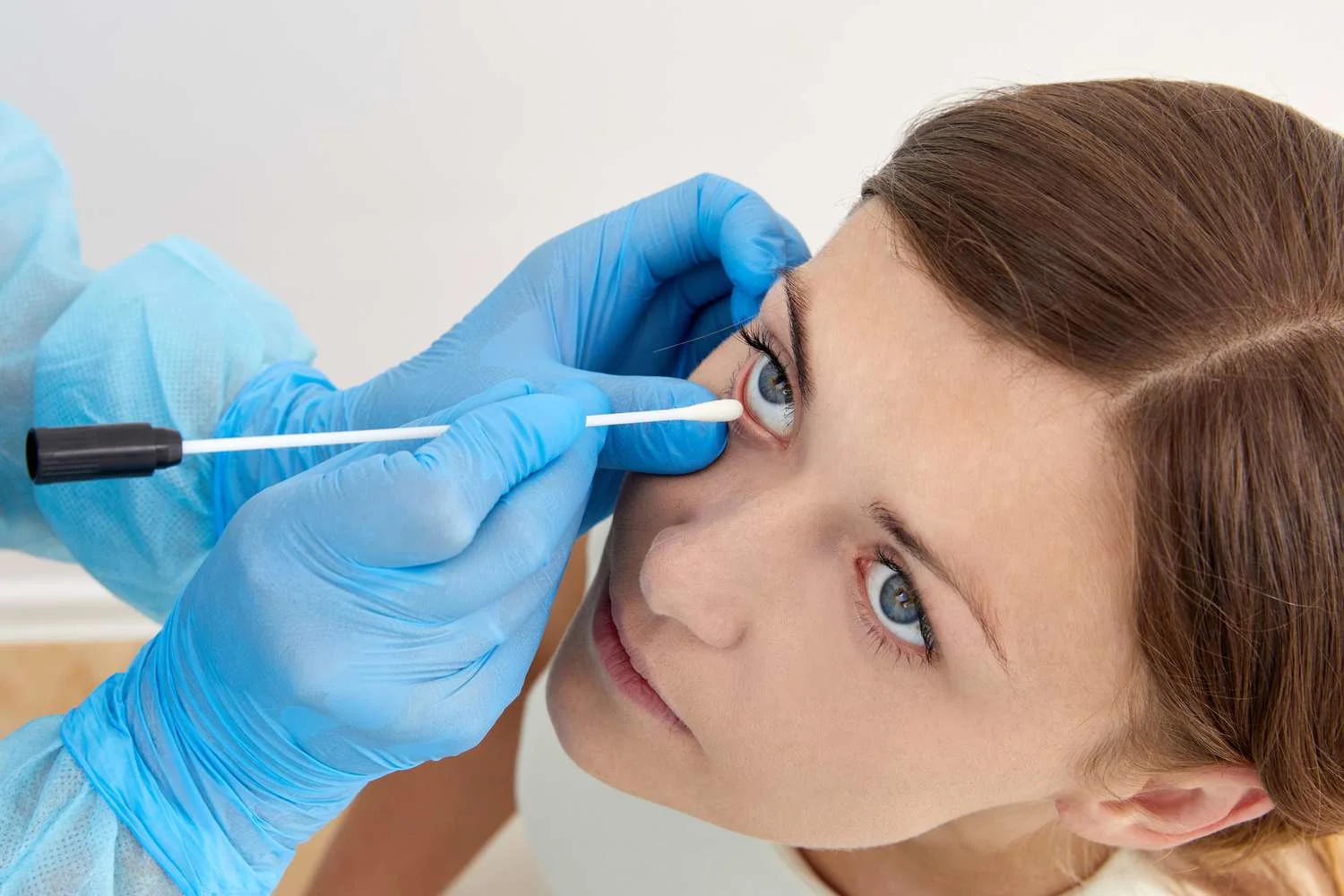
Imaging can help clinicians understand corneal shape, curvature and thickness.

Corneal Strengthening
Cross-linking aims to strengthen corneal tissue in appropriate clinical situations.

Ongoing Monitoring
Follow-up examinations help monitor corneal condition and changes over time.
Is Refractive Surgery Suitable For Everyone?
No. A detailed evaluation is needed before deciding whether a particular vision-correction procedure is appropriate.

When Should You Seek Prompt Eye Care?
A sudden painful red eye, sudden reduction in vision, significant light sensitivity or symptoms after an eye injury should receive prompt professional evaluation.
Cornea & Refractive Care FAQs
See Clearly. Care Precisely.
Whether you are experiencing changing vision, corneal symptoms or considering laser vision correction, a detailed eye evaluation can help determine the appropriate next step for your eyes.